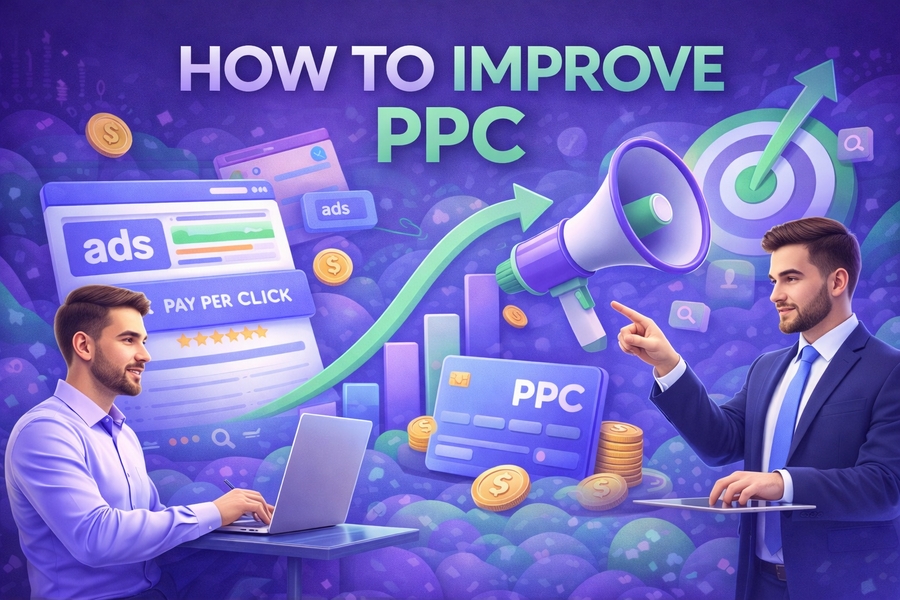
Pay-per-click (PPC) advertising is one of the most powerful tools available for businesses to drive traffic and increase conversions. However, to truly succeed with PPC, it’s essential to continuously optimize your campaigns.
From refining your keyword strategy to improving ad relevance, the key lies in a systematic approach. In this guide, we will explore effective strategies that can help you improve your PPC performance and deliver higher returns on your advertising spend.
Optimizing Keyword Strategy
An essential first step in improving PPC performance is refining your keyword strategy. Selecting the right keywords ensures that your ads are shown to the right audience. Begin by using tools like Google Keyword Planner, SEMrush, or Ahrefs to identify high-volume, relevant keywords that align with user intent.
Don’t forget to leverage long-tail keywords, which tend to have less competition and often result in higher conversion rates. A great way to expand your keyword reach is by focusing on location-based terms if you have a regional service offering. Additionally, using SEO dashboard to monitor rankings and outrank competitors can provide real-time insights to help optimize your keyword selections, track rankings, and gain a competitive edge.
Crafting Compelling Ad Copy
The success of your PPC campaign hinges on the effectiveness of your ad copy. Your ad copy should be compelling, clear, and match the intent of the search query. A/B testing is a great way to determine which versions of your ad copy resonate best with your audience. Be sure to include strong calls to action and highlight any unique selling points that set your product or service apart.
Moreover, incorporating ad extensions such as sitelinks and callout extensions can increase your ad’s visibility and make it more informative. Tailoring your messaging for specific user needs is an excellent way to boost CTR and conversion rates.
Targeting the Right Audience
Audience targeting is another crucial aspect of PPC optimization. Knowing your audience inside and out allows you to fine-tune your campaigns for maximum effectiveness. Start by setting up demographic targeting in Google Ads to ensure your ads reach the right people based on factors like age, gender, and location.
Remarketing is another powerful tool in PPC advertising. By creating custom audience lists based on user behavior, you can reach individuals who have already interacted with your website or ads. Custom audiences can also be created based on previous purchasing behavior or interest in specific products. Integrating a SERP Checker into your PPC strategy can provide valuable data to track keyword rankings and competitor performance.
Enhancing Landing Page Experience
A great PPC campaign is only as effective as the landing page it leads to. Your landing page should be relevant to the ad, fast-loading, and mobile-optimized. It’s essential to maintain consistency between your ad copy and the landing page content to avoid confusing potential customers.
The page must feature clear calls to action, easy navigation, and minimal distractions. Consider implementing a clean, user-friendly design that guides the visitor through the conversion process. By improving landing page experiences, you can drive higher-quality leads and ultimately increase your return on ad spend.
Effective Bid Management
Bid management is a critical component of optimizing PPC campaigns. Without proper bid management, you risk either overspending or under-delivering. Automated bidding strategies, such as target CPA or target ROAS, can help you optimize your campaigns based on predefined goals. Regularly monitor your bid adjustments and performance data to ensure your bids align with your campaign objectives.
Additionally, competitor analysis is vital to bid management. By understanding the strategies your competitors use, you can adjust your bids to maintain a competitive advantage.
Using Negative Keywords to Refine Targeting
Negative keywords are one of the most overlooked aspects of PPC campaigns. By excluding irrelevant terms, you prevent your ads from being shown to users who are unlikely to convert. Regularly update your negative keyword list to ensure that your ads aren’t wasting budget on low-quality clicks.
A comprehensive negative keyword strategy can drastically improve the efficiency of your campaign by ensuring that every click counts. It’s important to frequently review your search query reports to identify any new terms to add to the list.
Performance Analysis and Continuous Improvement
The key to PPC success lies in continuous improvement. Regularly reviewing your campaign performance metrics, such as CTR, conversion rate, and cost-per-conversion, is essential for identifying areas that need optimization. Tools like Google Ads and Bing Ads offer detailed reporting that helps you track campaign performance and adjust accordingly.
Be sure to monitor the performance of your keywords, ad groups, and campaigns in real time, and make adjustments as needed to maximize results. Identifying which ads are performing the best and refining your strategies around them will help keep your campaigns in top form.
Mobile Optimization in PPC
As mobile traffic continues to grow, optimizing your PPC campaigns for mobile devices is essential. Make sure that your ads and landing pages are mobile-friendly, with easy navigation, quick load times, and clear calls to action. Mobile users often seek quick, convenient solutions, so your mobile campaigns should reflect this urgency.
Additionally, utilize mobile-specific bidding adjustments to target users on mobile devices more effectively. By optimizing your mobile PPC experience, you can tap into a growing market and improve conversion rates.
Competitive Analysis and Staying Ahead
Staying ahead of your competitors is crucial in PPC advertising. Regularly analyzing your competitors’ performance helps you identify opportunities and threats. Use competitive research tools to track their keyword usage, ad copy, and bidding strategies.
Understanding the competitive landscape helps you adapt and stay one step ahead. By adjusting your campaigns based on competitor insights, you can find ways to outbid and outperform them in the market. Tools like the XML sitemap generator can provide additional insights to further optimize your campaigns.
Conclusion
Improving PPC performance involves refining your keyword strategy, optimizing ad copy, targeting the right audience, and monitoring campaign performance. Continuous testing, competitor analysis, and negative keyword use can help ensure that every aspect of your campaign is working toward better results.
Don’t forget the importance of landing page optimization and mobile-friendly strategies to improve conversion rates. By implementing these strategies, you’ll be on your way to running more successful PPC campaigns that drive better ROI.
FAQs
How can I optimize my PPC keyword strategy?
Focus on using high-traffic, low-competition keywords that align with user intent. Utilize tools like Google Keyword Planner and SEMrush to identify relevant keywords, and don’t forget about long-tail keywords for more targeted conversions.
What is the role of ad copy in PPC performance?
Strong ad copy should be clear, engaging, and relevant to the user’s search intent. Test different ad copy variations and ensure your messaging aligns with what users are searching for to boost CTR and conversions.
How can I improve my PPC targeting?
To improve PPC targeting, utilize demographic, location, and interest-based targeting in your campaigns. Implement remarketing and custom audience lists to reach people who have previously engaged with your website or ads, improving conversion rates.
Why is landing page optimization important in PPC?
A well-optimized landing page that aligns with your ad copy can improve your Quality Score, reduce bounce rates, and increase conversions. Ensure that the page loads quickly, is mobile-friendly, and has clear calls to action.
How do bid management strategies impact PPC performance?
Effective bid management ensures your ads are shown at the right times and to the right audience. Use automated bidding strategies, such as Target CPA or Target ROAS, and adjust bids based on performance data to achieve optimal results.
What are negative keywords, and why are they important in PPC?
Negative keywords prevent your ads from being shown to irrelevant users, reducing wasted spend. Regularly update your negative keyword list to ensure your campaigns target the right audience, improving overall ad performance.
How do I track PPC campaign performance?
Use tools like Google Ads or Bing Ads to monitor metrics such as CTR, conversion rate, and cost-per-conversion. Analyzing these metrics helps identify areas for improvement and enables real-time adjustments to maximize ROI.
How can mobile optimization improve my PPC results?
Ensure your PPC ads and landing pages are mobile-optimized for faster load times, easy navigation, and clear calls to action. A mobile-friendly experience increases engagement and conversion rates, especially as more users browse and purchase via mobile devices.
Why is competitor analysis important for PPC success?
Competitive analysis provides insights into your competitors’ keyword strategies, ad copy, and bidding tactics. By understanding their strengths and weaknesses, you can adjust your PPC campaigns to outbid them and capture a larger share of your target audience.
How do ad extensions improve PPC performance?
Ad extensions, such as sitelinks and callout extensions, enhance your ad’s visibility and provide additional information to potential customers. They make your ad more appealing and increase the chances of clicks, leading to higher conversion rates.