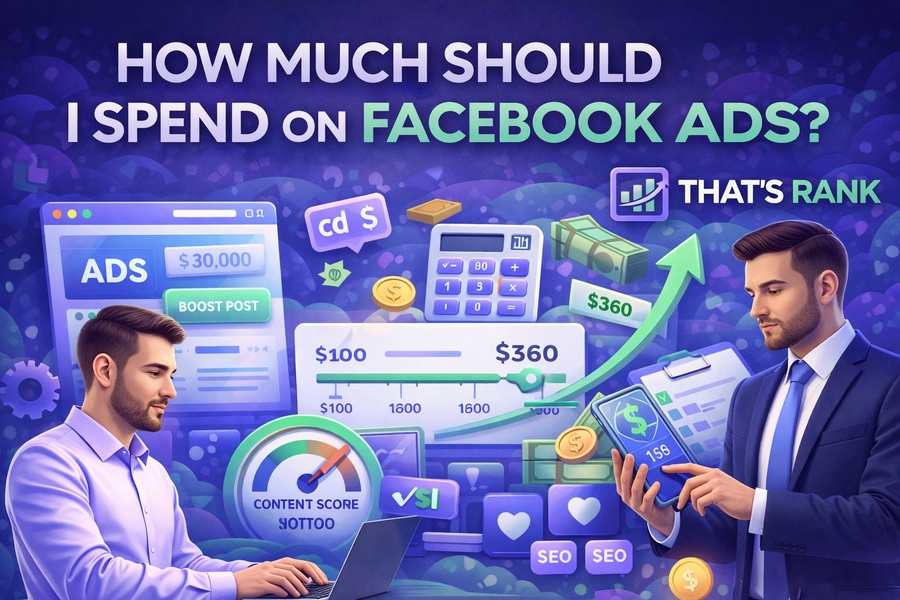
Determining how much to spend on Facebook ads can be tricky for both beginners and experienced advertisers. The right budget depends on several factors, including your campaign goals, target audience, and the type of ad you’re running.
This article will walk you through essential considerations and offer tips to help you set an appropriate budget for your Facebook advertising campaigns.
Key Factors to Consider When Setting a Facebook Ad Budget
When it comes to Facebook ads, there’s no one-size-fits-all budget. However, understanding the different factors that influence ad costs can help you make more informed decisions. First, clarify your campaign objectives. Whether you’re aiming for brand awareness, lead generation, or driving traffic to your website, each goal will require a different budgeting approach.
The next factor to consider is your target audience. A highly specific audience may cost more to reach compared to a broader one. Additionally, the type of ad you run – such as image, video, or carousel – will affect the budget. For more detailed guidance on tracking and optimizing your ad performance, you can use tools like the SEO dashboard to monitor rankings and outrank competitors.
With the right tools and tracking, you’ll have a clearer picture of where your money is going and how to adjust your budget effectively.
Understanding Facebook Ads Costs and How to Estimate Your Budget
Estimating your Facebook ad budget requires understanding how much Facebook charges for different ad placements. Facebook uses an auction system in which advertisers bid for space. The cost per click (CPC) and cost per thousand impressions (CPM) are key metrics for gauging your spending.
CPC is ideal if you want direct interaction, like website clicks, while CPM is better for brand awareness campaigns. On average, Facebook’s CPC ranges from $0.50 to $2.00, depending on factors such as industry and competition. It’s important to test different budgets to find the one that works best for your specific goals. For example, if you’re using Facebook for lead generation, a SERP checker can help you monitor performance and adjust strategies as needed.
These insights will ensure that you’re spending your advertising dollars wisely and improving the ROI of your campaigns.
Setting Your Facebook Ad Budget Based on Campaign Goals
Your Facebook ad budget should align with your campaign goals. If you’re launching a short-term sale or product launch, you might want to allocate a larger budget upfront. On the other hand, if your campaign is ongoing, you can spread your budget out more evenly over time. Testing and optimization are key. Begin with a modest budget, then scale it based on your ads’ performance.
Additionally, keep in mind that Facebook’s dynamic pricing model can fluctuate based on competition. Ads for highly competitive industries may cost more, while niche audiences may be more affordable.
By focusing on smart budget allocation and ongoing testing, you can ensure your ads achieve their desired outcomes without wasting money.
The Role of Ad Objectives in Facebook Ad Spending
Ad objectives play a critical role in determining how much you should spend on Facebook ads. Each objective, whether it’s increasing traffic, building engagement, or generating conversions, will have a different cost associated with it. For example, campaigns focused on conversions may require a larger upfront budget to ensure you reach the right people.
Budgeting based on objectives also involves understanding how Facebook’s algorithm prioritizes certain ads. Ads with more engagement are likely to be shown more frequently, which can lower the cost per impression. Understanding the dynamics of Facebook ads, such as the auction system, will help you budget more effectively for each objective. This way, you can ensure that your Facebook ad spending aligns with your business goals.
How to Monitor and Adjust Your Facebook Ad Budget Over Time
Once you’ve set your initial Facebook ad budget, it’s crucial to monitor the results closely. Don’t be afraid to make adjustments along the way. You may find that some ads perform better than others, and increasing the budget for high-performing ads can yield better results. It’s also important to adjust your budget based on the results of your test campaigns.
Use Facebook’s reporting tools to track key performance metrics, including click-through rates, conversion rates, and engagement levels. If you’re using additional monitoring tools, such as the Peek SEO extension, you can analyze how these metrics align with your overall business goals. Regularly reviewing and adjusting your budget ensures that your ads remain effective and that you’re making the most of your advertising spend.
Types of Facebook Ads and Their Budget Requirements
Different types of Facebook ads come with varying budget requirements. For instance, carousel ads, which showcase multiple products, typically require a higher budget to produce multiple images or videos. In contrast, single-image or video ads may be less expensive, but they still require effective targeting to reach the right audience.
Before choosing an ad type, make sure you understand how each format aligns with your objectives. Setting an appropriate budget for each ad type can help you better manage your expenses.
Facebook Ad Targeting: How It Affects Your Budget
Facebook offers extensive targeting options that can impact your ad budget. The more specific your target audience, the higher your cost might be. For example, targeting a niche market in a specific location or age group might be more expensive than a broader audience. However, these highly targeted ads often lead to better results, especially if you’re looking to increase conversions.
As a result, Facebook’s targeting options can affect your budget in both positive and negative ways. If your target audience is too specific, you might not reach enough people, which can lead to higher costs per engagement. On the other hand, broad targeting can help you maximize your reach and drive traffic more affordably.
Facebook Ads for Businesses: Best Practices for Budgeting
If you’re a business owner, it’s crucial to understand how Facebook ads fit into your marketing strategy. A smart budgeting approach involves planning for both short-term and long-term campaigns. While larger budgets may work well for product launches, smaller businesses might benefit from starting with more conservative budgets and scaling as they see results.
For optimal results, integrate Facebook ads into your overall marketing strategy. Consistent ad performance reviews and budget adjustments will help ensure that you stay within your financial limits while achieving desired outcomes.
Conclusion
In conclusion, setting an appropriate budget for your Facebook ads requires careful consideration of several factors, including campaign goals, ad types, targeting options, and more. Start small, test your campaigns, and optimize your budget based on performance. Remember, Facebook’s dynamic nature means that your budget needs may change over time.
By following these best practices and using helpful tools to monitor your ads, you can maximize your return on investment. Whether you are aiming for more website visits, conversions, or simply raising brand awareness, the right Facebook ad budget will ensure that you get the best possible results from your ad spend.
FAQs
How much should I spend on Facebook ads?
The amount you should spend on Facebook ads depends on your campaign goals, target audience, and ad type. Start with a modest budget, test various ads, and optimize your spending based on performance data to maximize ROI.
What is the average cost of Facebook ads?
On average, Facebook ads cost between $0.50 and $2.00 per click, though this can vary by competition, audience, and industry. It’s important to monitor and adjust your budget in response to these fluctuations to achieve optimal performance.
How do I calculate my Facebook ad budget?
To calculate your budget, consider your campaign objectives, target audience, and the type of ad you’re running. Start with a small budget, then gradually increase spending as you optimize your ads based on performance metrics like CPC or CPM.
How can I set a Facebook ad budget for a small business?
For small businesses, it’s essential to start with a conservative budget. Focus on targeting a specific audience and use Facebook’s ad tools to monitor performance. Scale up your budget gradually as you see successful results and ROI.
Should I spend more on Facebook ads for short-term campaigns?
Yes, for short-term campaigns such as product launches or flash sales, consider allocating a larger budget upfront to maximize reach and impact. Monitor performance closely to adjust your budget as needed to meet your campaign goals.
How do Facebook ad objectives affect the budget?
Your ad objective, such as brand awareness or lead generation, directly impacts your budget. Campaigns with conversion goals tend to require higher budgets, while brand awareness campaigns can often run with smaller budgets, especially with broad targeting.
Can I track the performance of my Facebook ads?
Yes, you can track the performance of your Facebook ads using Facebook’s Ads Manager. This tool provides detailed analytics on metrics like impressions, click-through rates, conversions, and cost per result, helping you optimize your ad budget and campaigns.
What’s the difference between CPC and CPM on Facebook ads?
CPC (Cost Per Click) charges you when users click your ad, while CPM (Cost Per Mille) charges based on every thousand impressions. Choose CPC for performance-driven campaigns and CPM for brand awareness or visibility-focused ads.
Is Facebook ad targeting important for my budget?
Yes, Facebook ad targeting plays a significant role in your budget. Narrower, more specific audiences may require higher costs, while broader targeting can reduce the cost per impression. Fine-tune your audience to ensure optimal spending and ROI.
How can I optimize my Facebook ad budget?
To optimize your budget, start by testing different ads, targeting options, and bidding strategies. Use Facebook’s ad performance metrics to refine your budget allocation, focusing more on ads that generate the best results at the lowest cost.